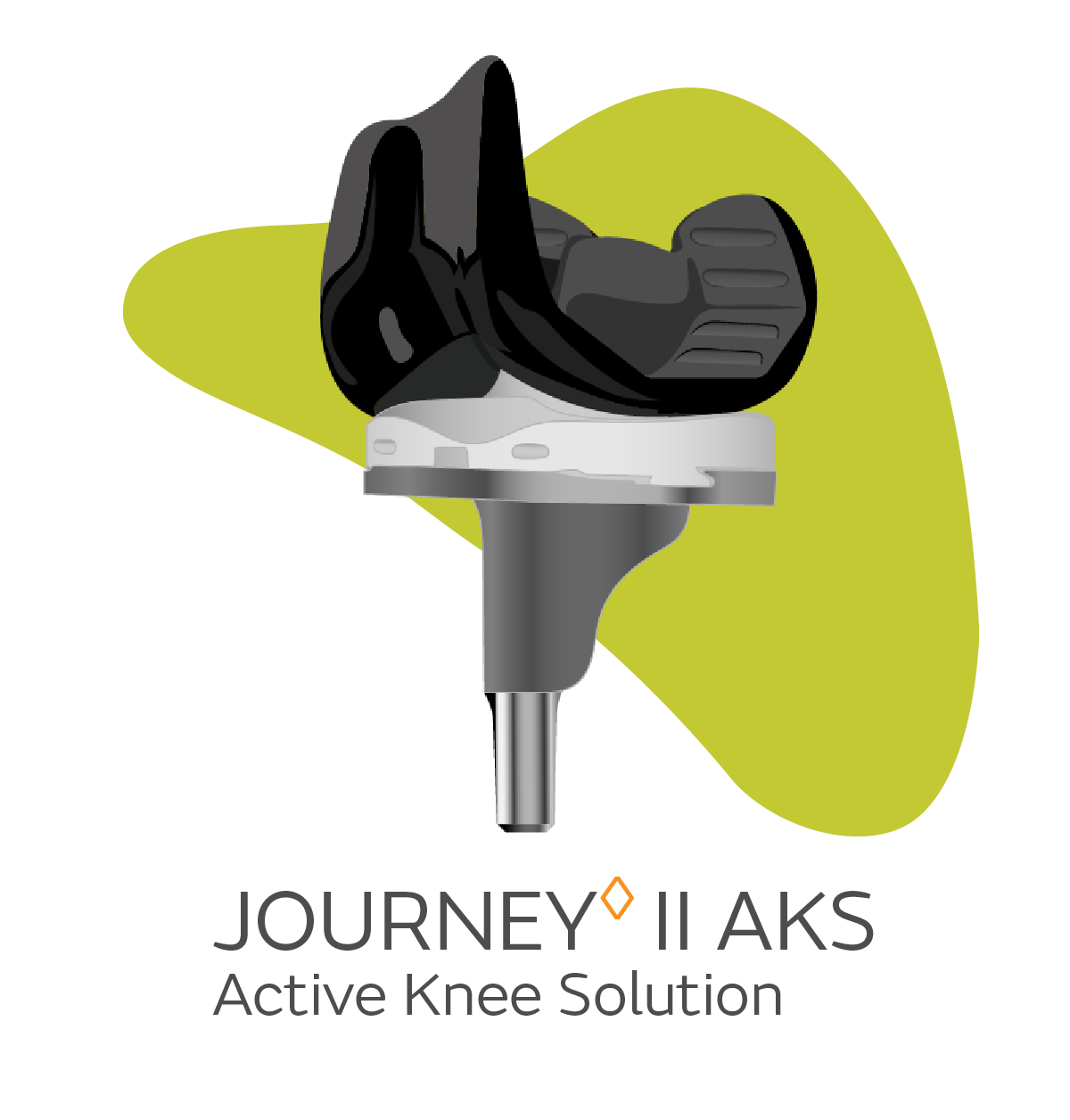
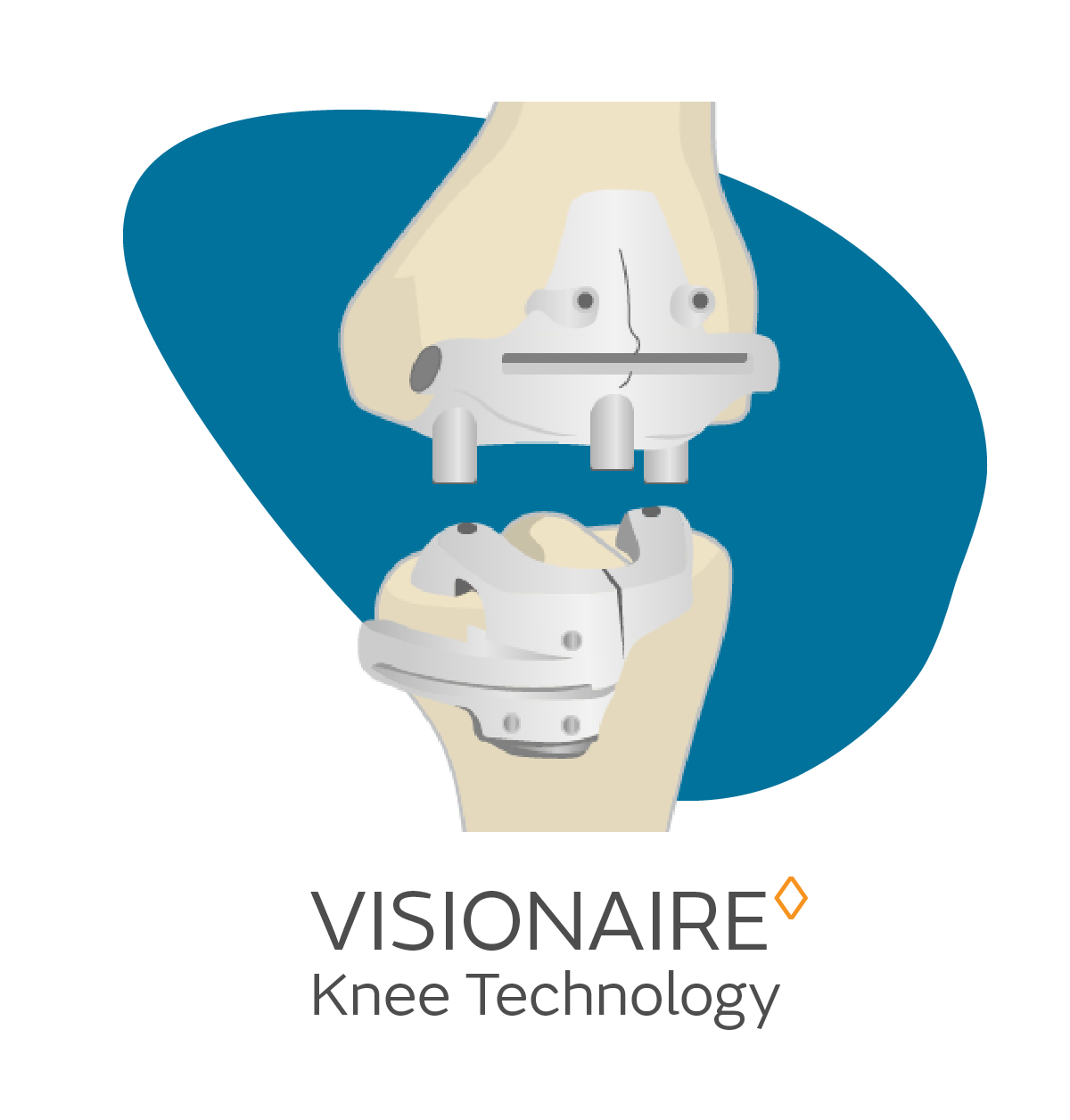
So we developed VERILAST Knee Technology — a combination of remarkable materials that were tested to simulate 30 years of wear performance. That’s 9 times longer than the industry standard.*
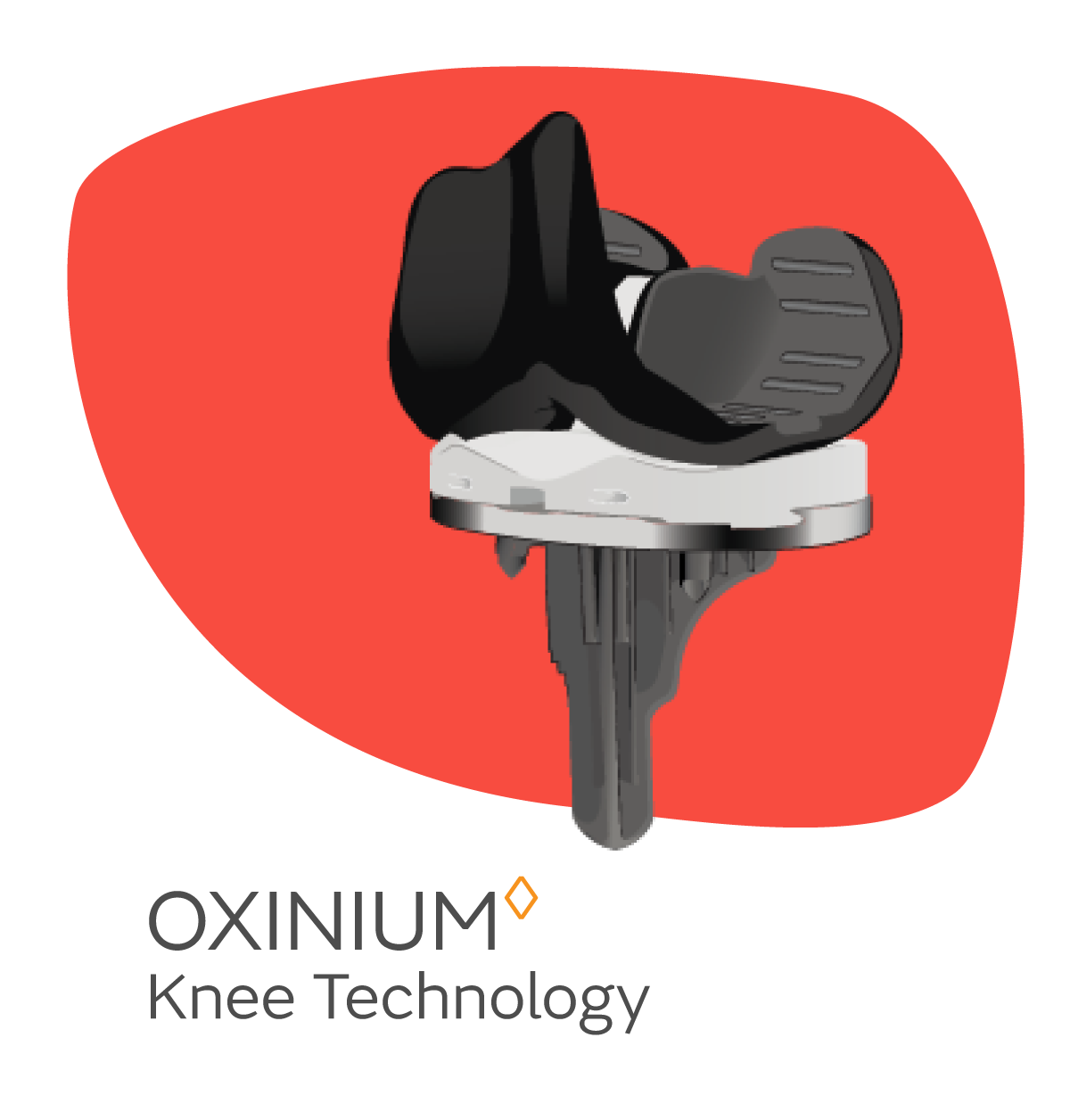
VERILAST Knee Technology builds on the OXINIUM material’s decade of success, joining this lightweight, hypoallergenic metal with a special “highly cross-linked” plastic that is more resistant to common implant wear. When these two surfaces work together in the joint, they do amazing and unprecedented things:
- In rigorous lab testing, Smith & Nephew’s LEGION CR knee made with exclusive VERILAST technology was subjected to 45 million cycles, or simulated steps. That’s equal to around 30 years of physical activity.
- The testing showed that after 5 million cycles, the knee made with VERILAST technology reduced 98% of the wear experienced by the knee made with traditional implant materials. And when the LEGION CR knee with VERILAST technology kept “walking” out to 45 million cycles, it reduced 81% of the wear experienced by the conventional knee implant that was stopped after the first 5 million cycles.
So while we cannot say we’ve eliminated a leading cause of implant failure, we believe our 20 years of dedicated research are paying off for patients who would like to rediscover their go after surgery.
Remember, VERILAST technology is exclusive to Smith & Nephew. Find the surgeons in your area who are familiar with it by using the search feature on this website.
Important Notes:
Based on simulated wear testing, LEGION CR Knee with VERILAST Technology is expected to provide wear performance sufficient for 30 years of actual use under typical conditions. Data on file at Smith & Nephew. The results of in-vitro wear simulation testing have not been proven to quantitatively predict clinical wear performance. Also, a reduction in total polyethylene wear volume or wear rate alone may not result in an improved clinical outcome as wear particle size and morphology are also critical factors in the evaluation of the potential for wear mediated osteolysis and associated aseptic implant loosening. Particle size and morphology were not evaluated as part of the testing. Other risks can include loosening, fracture, dislocation and infection.
Knee replacement surgery is intended to relieve knee pain and improve knee function. There are potential risks with knee replacement surgery such as loosening, fracture, dislocation, wear and infection that may result in the need for additional surgery. Do not perform high impact activities such as running and jumping unless your surgeon tells you the bone has healed and these activities are acceptable. Early device failure, breakage or loosening may occur if you do not follow your surgeon’s limitations on activity level. Early failure can happen if you do not guard your knee joint from overloading due to activity level, failure to control body weight or accidents such as falls. Talk to your doctor to determine what treatment may be best for you. Additional information provided at www.smith-nephew.com.